BMW M1 History
How BMW Motorsport's racing coupé of 1976 became the road car of 1978–81: the plan, Lamborghini's failed contract, the firms that built it instead, the Paris launch, the Procar series that raced it while Group 4 waited, its rivals and markets, and what came before and after.
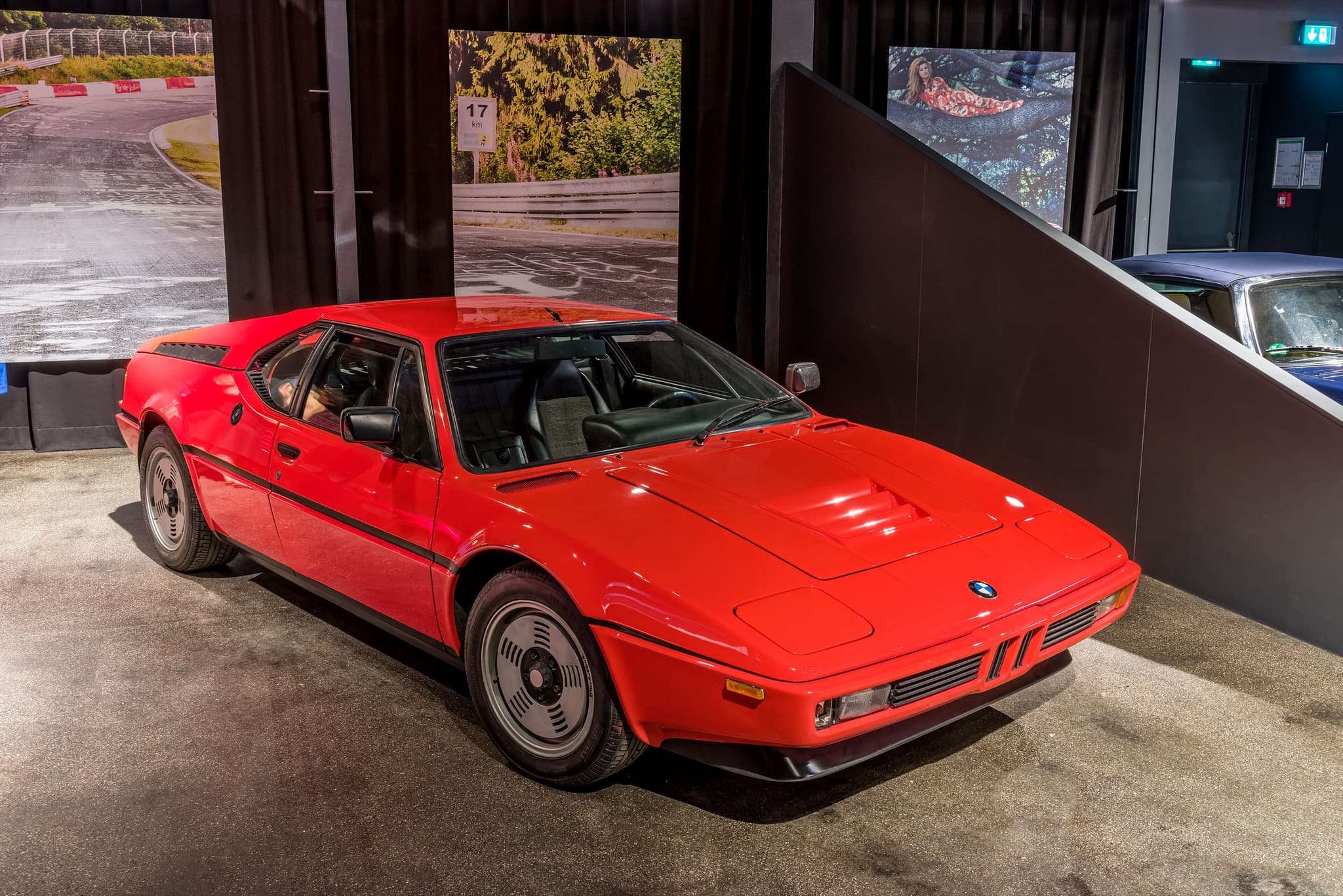
On 24 April 1976 auto motor und sport told its readers that BMW Motorsport GmbH, four years old and grown from five people to 72, had made a choice. It could build a Formula 1 engine, whose successes it would share with whoever built the chassis, or a car of its own: a mid-engined coupé for the new World Championship for Makes. It chose the coupé. Two and a half years later that car stood in white on BMW Motorsport's stand at the Paris Motor Show. The Lamborghini works first chosen to make it had failed, and four firms in Italy and Germany built it instead. It raced in a series BMW invented for it while the rules kept it out of the class it was designed for, and it was recognised for that class on 1 December 1980, months before the last road cars were finished in 1981.source 1source 2source 3source 4
Before the M1: the Turbo and the racing coupés
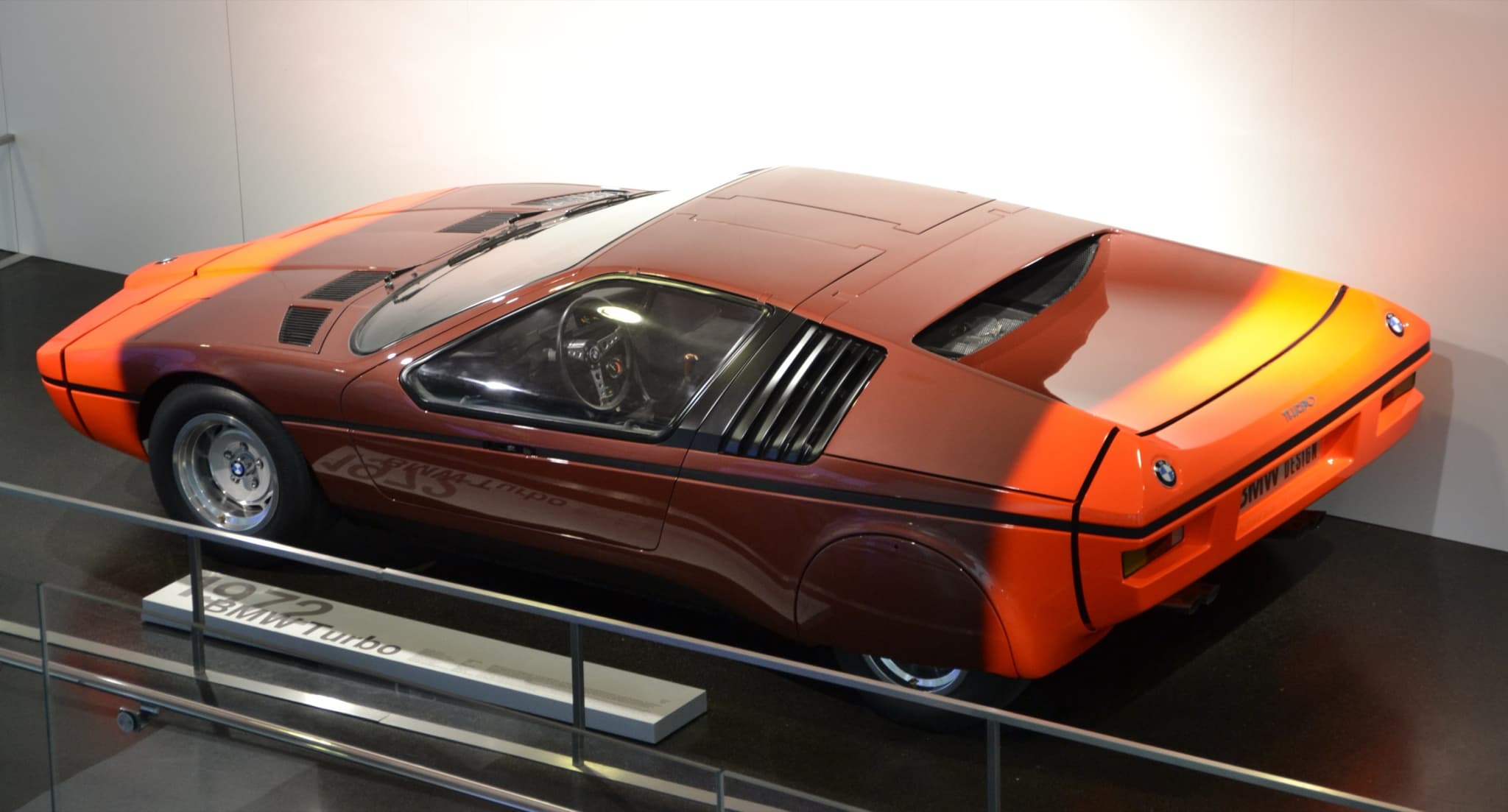
BMW had shown a mid-engined car before. In 1972 its designer Paul Bracq created the Turbo, a gull-winged show car with its engine behind the seats; Motor Sport has written of "the brace of 1972 Turbo concept cars", two of them. Four years later auto motor und sport found it in the new BMW Museum, labelled "Studie für Stil und Technik", a study in style and technology. BMW said in 2008 that the M1 grew from it, and that Giorgetto Giugiaro created the M1's sharp profile from "this design study with its rounder lines". CAR, seeing the finished car in 1979, found that Ital Design had given BMW "something that bore some resemblance to their own old mid-engined Turbo showcar". Jeremy Walton's review of the M1 for Motor Sport in 1981 opens with the gullwing two-seater BMW had shown in 1972.
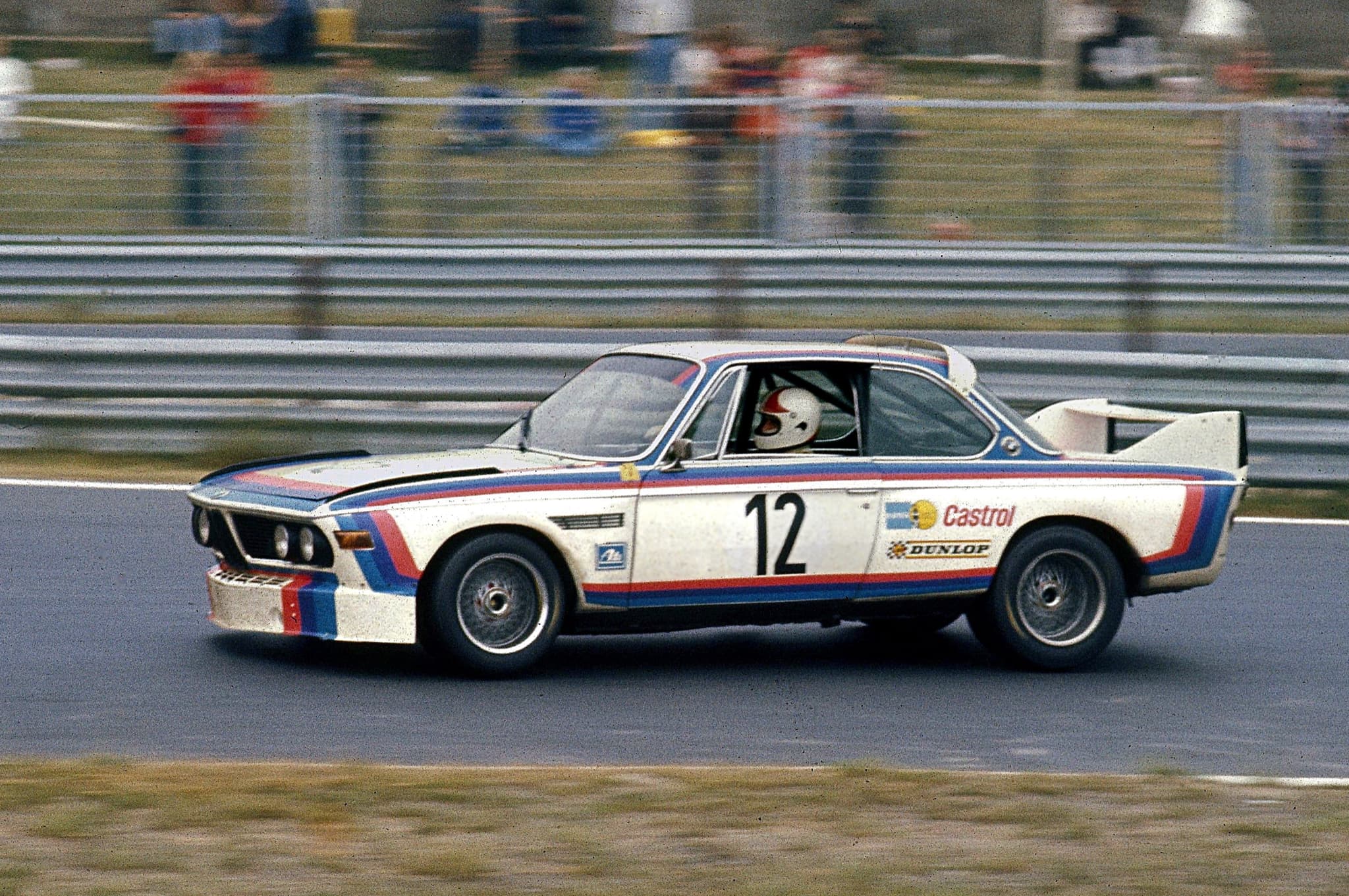
The racing line ran through BMW Motorsport GmbH, set up in 1972 under Jochen Neerpasch, who came from Ford in Cologne. By 1976 the company paid its own way from engines and parts, and its racing was done in 3.0 CSL coupés. Between 1973 and 1979 the CSL won the European Touring Car Championship six times. In April 1976 auto motor und sport reported Josef Schnitzer developing a turbocharged version of the CSL's six towards about 700 PS for test races in a modified CSL, an engine whose intended home was the new mid-engined coupé, and in May a turbocharged 3.2-litre CSL, for Ronnie Peterson and Gunnar Nilsson, started the Silverstone 6 Hours from the front row. Paul Rosche, with BMW since 1957, who had designed the 2-litre turbo engine that won BMW the European Touring Car Championship in 1969, joined BMW Motorsport in 1975 to lead the design of the M1's engines, for the road and for racing.source 2source 5source 6source 7source 1source 8source 9source 10
Neerpasch's plan, 1976
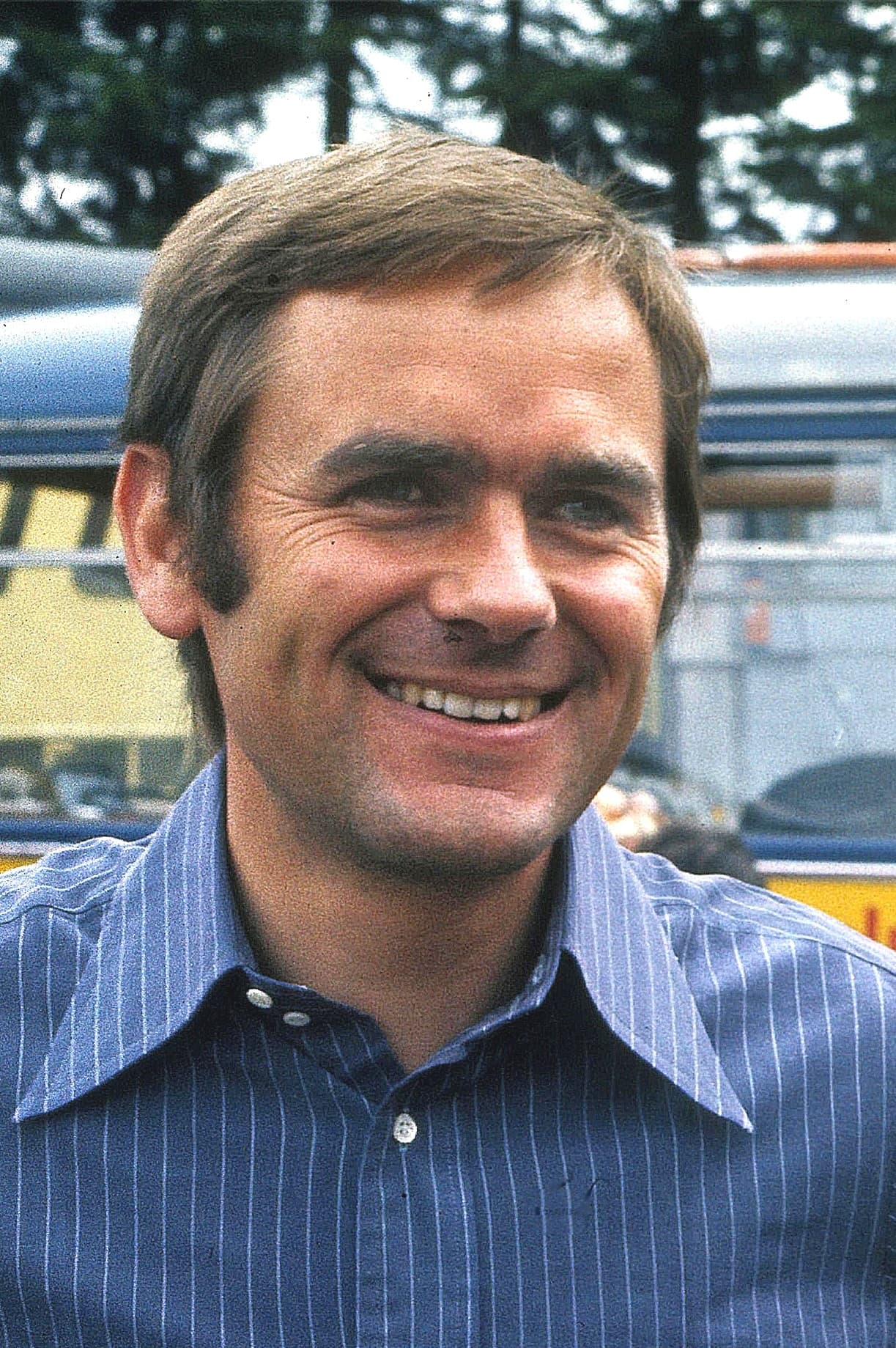
The coupé was Neerpasch's idea. CAR called it the device that would let him "go to motor racing with a coupe well into the '80s", and Motor Sport, looking back in 2008, described how in 1976 he and his chief design engineer Martin Braungart "hatched a scheme to build a limited-edition supercar that would handily double as a competition tool". After almost a year of study they put a proposal to the Vorstand, BMW's board, for a batch of 400 road cars. Inside the company the project was known as E26; BMW dates its start to 1976, and Walton noted that the car "was not officially ordered from Lamborghini until 1976".
The reason for the number was the rule book. In BMW's account, Group 4 recognition needed "a production run of at least 400 units in 24 successive months", and a Group 5 car had to be derived from a car already recognised in Groups 1 to 4. BMW wanted to race in both. For the engine, the team first studied a ten-cylinder, the M81, before settling on a new straight six; Motor Sport's account has a V10 "canned on cost grounds". Not everyone at BMW wanted the car. Walton wrote in 1981 of "some bitter internal opposition at BMW to this, the pet project of now former competition director Jochen Neerpasch", and A.H. in 1984 of an "autocracy" that certain members of the board disliked; neither names who opposed it.
The public saw it in stages. After months of rumour, BMW confirmed the project in the spring of 1977 and published photographs of the car in production trim that autumn. About six months on, Neerpasch took the racing car, numbered 11 and painted in BMW Motorsport's colours, onto ZDF's prime-time sports programme to present it with Dieter Kürten.source 1source 5source 6source 2source 7source 11source 8
Lamborghini's part
The work was divided between two Italian firms. As CAR set it out in 1979, "The design of the body was entrusted to Ital Design: the chassis, the development of the vehicle as a whole and its final assembly were given to Lamborghini, with BMW supplying their own in-line, six-cylinder power pack." Gian Paolo Dallara, the engineer behind the Miura and by then a consultant at Sant'Agata, was "an active participant in the M1's chassis development", and the M1's suspension was developed alongside that of the Countach S on the same Pirelli P7 tyres. Lamborghini's test driver, Stanislao Sterzel, did much of his work at the Nardo circuit. By early 1978 Lamborghini had rebuilt its Number Three Line to start production. Had all gone to plan, Roger Bell wrote in 1997, Sant'Agata would have assembled all the road cars.
It did not go to plan. CAR reported that "the £1.1m loaned by the Italian Government to enable them to buy in the components and actually build the M1 had somehow been salted away elsewhere", and BMW could do little about it: "the Munich board had long since proclaimed that no Deutschmarks were to be invested in Italy". The prototype count depends on who is counting. CAR reported in March 1979 that six prototypes had been sent to Munich and that Lamborghini had developed two more, so that BMW tested eight; Richard Heseltine, writing for Motor Sport in 2008, has Lamborghini going into receivership "after only the first four prototype M1 chassis had been completed". In 1978 Lamborghini's part, in Walton's phrase, passed into history, and BMW took the car back; that summer men who had left Lamborghini formed a firm of their own, Ital Engineering. Braungart, its project engineer, told CAR that BMW "had to start at the beginning again" on the road car's development, and gave Lamborghini its due:
But our work went hand-in-glove with what the Italians had done, and you cannot pinpoint a stage in the car's development where their influence faded and our own ideas prevailed.
The build chain
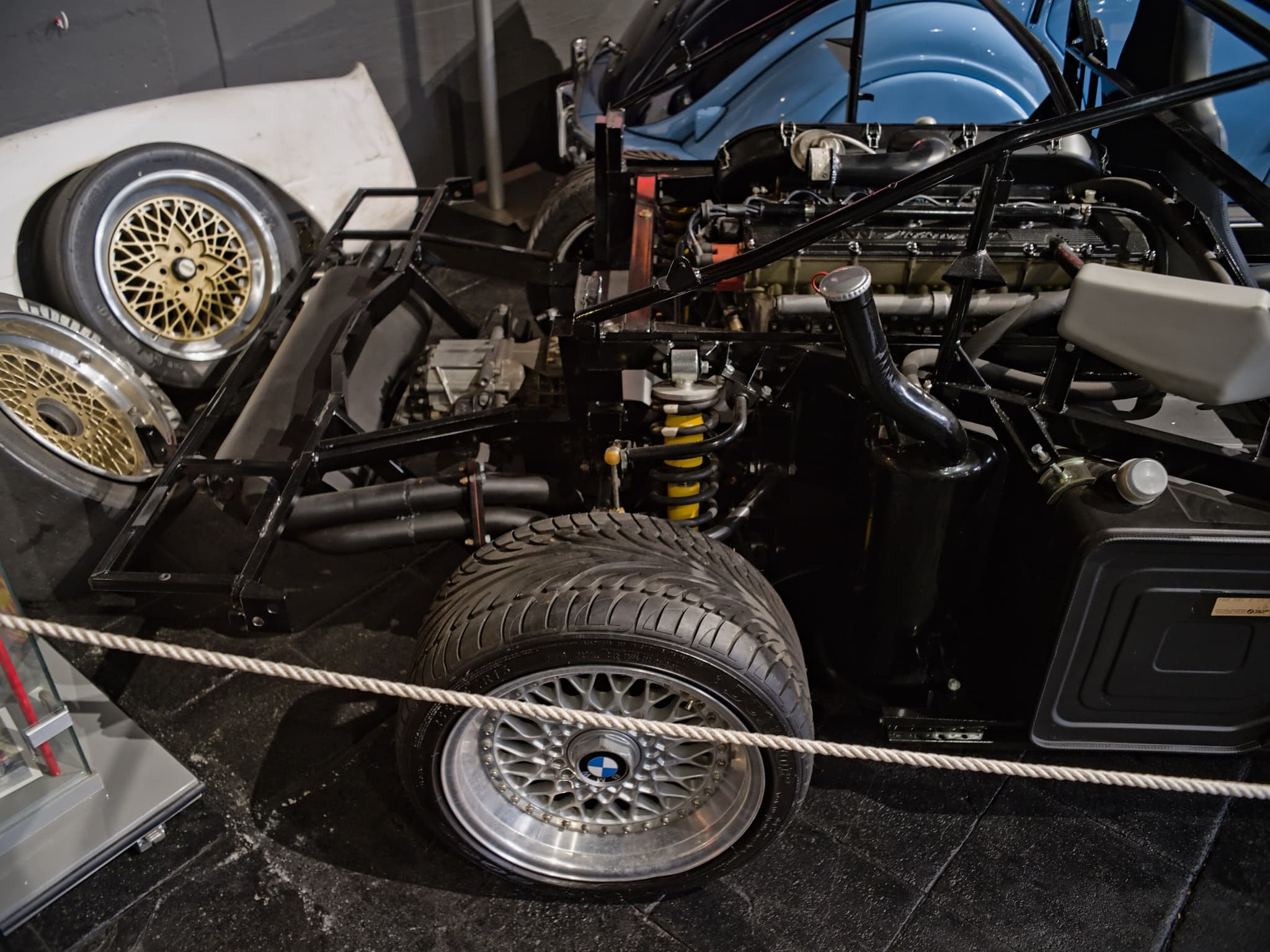
Without Lamborghini, BMW built the M1 through a chain of firms. The Marchesi brothers of Modena welded the space frame of steel tubes. T.I.R., near Modena, moulded the body in glass fibre, 20 pieces of it by Walton's count. Ital Design bonded and riveted the body to the frame and fitted the interior trim; where it did that work, the sources disagree. The cars then went to Baur in Stuttgart, which CAR knew as the maker of the Bitter CD coupé, for their engines, transaxles and the rest of the mechanical work, the engines coming direct from BMW in Munich. Last, BMW Motorsport gave every car its checks and tests in Munich before delivery.
The BMW M1 Register's table has three date columns, headed Italdesign, Baur and BMW, which follow this chain car by car. Its earliest Italdesign date, 13 June 1978, belongs to the car BMW used for its crash test, crashed on 17 July 1978, for BMW sought one approval for the whole series and had to prove the car's passive safety in crash tests; its first Baur date, 29 September 1978, to the Paris show car; and the first car numbered "Serie 1" passed Italdesign on 30 November 1978 and Baur on 19 February 1979.
The finished car borrowed from BMW's parts bins. Walton called it a "Munich mongrel", with BMW switchgear and, in his words, "3-series, or 5-series tail-lights". BMW's own brochure turned the car's origin into a slogan:
Racing cars are usually modified versions of standard production models. The BMW M1 is a racing car modified for standard production
Paris, October 1978
BMW showed the M1 at the 64th Paris Motor Show, in October 1978, on the stand of BMW Motorsport GmbH. "The star came in pure white," BMW recalled in 2008, and the name stood for the first car BMW Motorsport GmbH had developed and built. The Register lists the show car as serial 4301009, white, through Italdesign on 14 September 1978 and Baur on 29 September; its engine entry reads "Attrappe", a dummy. Heseltine, writing 30 years later, said "the reception bordered on euphoric". BMW itself, in 2008, quoted unnamed press reports of crowds round the stand and of orders beyond expectation, one American fan of BMW ordering three cars.
Customers waited. Sales began in February 1979, "almost a year late", CAR wrote, by which time Baur had finished 40 cars; the Register dates the first road car completed at Baur, numbered Serie 2, to 12 January 1979. CAR had its first ride in the finished car with Hans-Joachim Stuck, BMW's race and development driver, at the wheel, and Stuck was sure of it:
This kind of month-in, month-out testing really sorts a car out and I have no hesitation in saying that the M1 is now very, very well-developed.
The price new
The recommended retail price for West Germany on 1 August 1979, including VAT, is in the auto katalog 1980, and the specifications give it beside BMW's own figure for 1978. The same list priced BMW's 323i at DM 22,045.09. BMW, looking back in 2008, made the comparison itself: the M1 cost "enough for four BMW 323is plus a couple of optional extras".
The price rose. In April 1981 Walton wrote that "the German asking price is … £24,353.45 at the late February exchange rate of Dm 4.64 to the pound", without saying whether that included tax. BMW Motorsport also sold the Group 4 racing car ready to race, at a price the specifications give.source 14source 2source 7
Procar first, Group 4 later
Group 4 needed the 400 cars before the car could race in it, and BMW could not build them fast enough. Neerpasch explained it at the Procar revival in 2008:
It was quite complicated because we could only build 200 a year … And before you could race in Group 4, you needed to make 400. So we produced a racing car without the possibility to race, and that's why we thought about Procar.
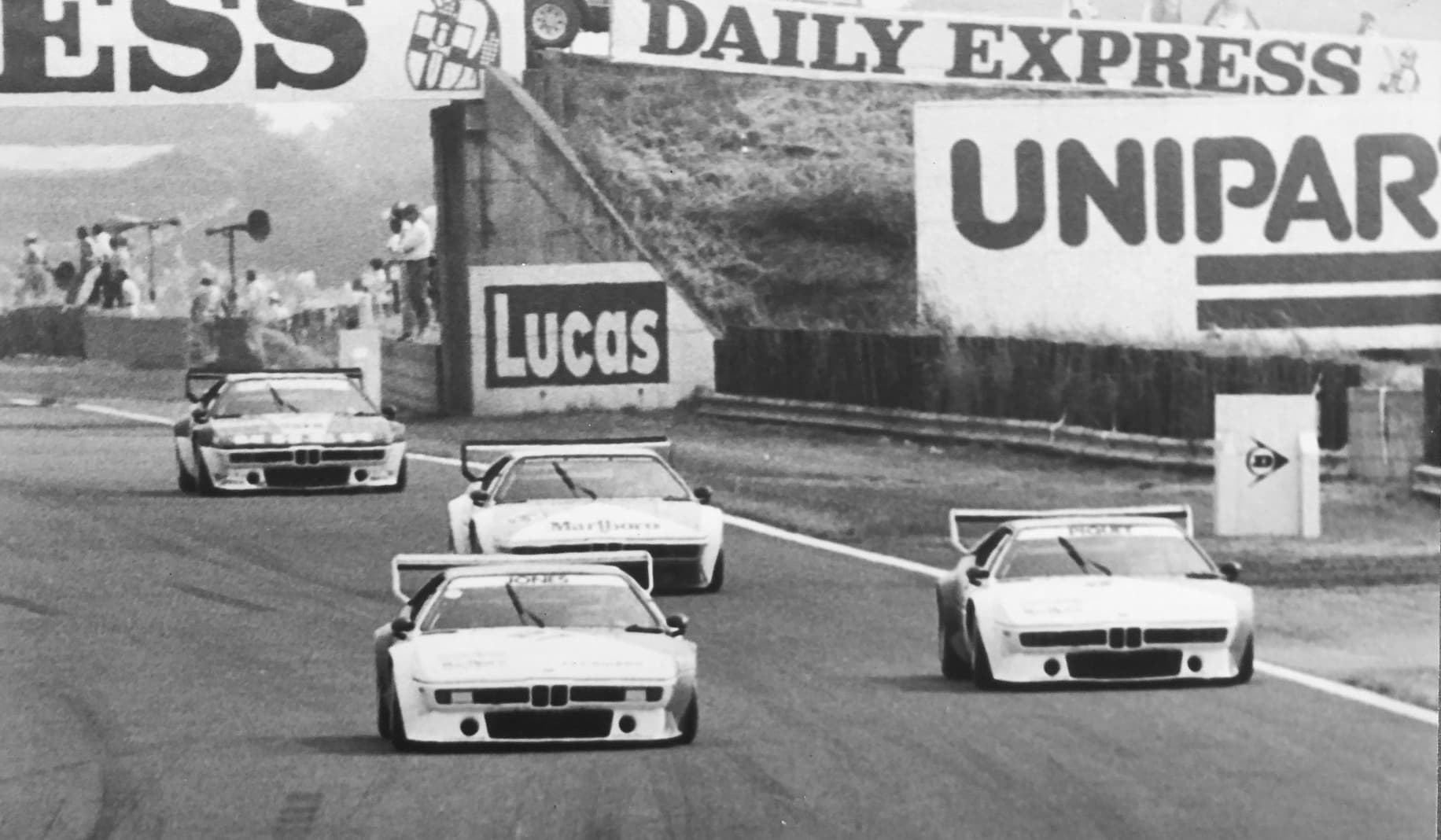
Procar was a one-make series of M1s, run as a supporting race at Grands Prix, which Neerpasch set up with Bernie Ecclestone and Max Mosley. It was first announced in 1978 and confirmed at BMW's press conference in the BMW Museum, Munich, in December 1978, and its first race was at Zolder on 12 May 1979. Denis Jenkinson wrote in Motor Sport in June 1979, and Alan Henry in 1997 and Heseltine in 2008 later, that the rules had been changed so that the cars had to be sold as well as built. None of them quotes the rule, and Neerpasch, who made the decision, speaks of building. In December 1978 BMW still expected the Procars to run in the Group 4 class of the German championship from the start of 1979, and a March-built Group 5 car to race later that year. Every race of the series is in the Procar Championship.
The FIA's recognition form for the M1, No. 670, names BMW Motorsport GmbH as the maker of the car, its chassis and its engine, and puts the M1 in Group 4 from 1 December 1980. Two extensions followed in January and February 1981, for the brakes, a hydraulic handbrake, the dashboard, the interior and the tank, and then for a roll cage. BMW's own 2008 account gives 1 April 1981. The Register shows the pace Neerpasch described. Its Italdesign dates fall 33 in 1978, 156 in 1979, 247 in 1980 and 13 in 1981, and the 400th of them is 15 December 1980, a fortnight after the recognition took effect; how FISA counted the cars, no source read records. By April 1981 Walton could write that the 400 had been "made and authenticated by FISA, so that the M1 could compete internationally in Group 4 and 5 trim".
The recognition ran to the end of 1981. Form No. 670 was later stamped "FISA – Transfert en Gr.B", and the M1 received a Group B recognition of its own, No. B-240, from 1 March 1983.source 2source 15source 16source 17source 13source 3source 18source 7source 5source 4source 19
The end of production, 1981
The Register's last regular Italdesign dates fall on 5 March 1981 and its last Baur dates on 5 and 6 March, with two more cars completed at Baur on 2 June 1981. BMW gives the year as 1981 too. By the Register's Baur dates, 90 road cars were completed in 1979, 246 in 1980 and 49 in 1981, all but two of the last in its first three months. Walton, writing in April 1981, already used the past tense: "The factory allowed no more to be made", he wrote, and he supposed the reason was "that the M1 was not a commercial proposition". Neerpasch was by then the "now former competition director", gone from BMW.
There was no Procar series in 1981. Heseltine gives two reasons: Goodyear, the principal sponsor, pulled out, and the turf war between Formula 1's governing body, FISA, and the teams' association, FOCA, spilled over into it. BMW put its effort into the turbocharged Formula 1 engine it built for Brabham, a decision that A.H. saw in 1984 as "spelling finis for any grandiose (and unrealistic) plans for the M1". "The M1 represented an expensive flirtation with hubris and there were casualties," Heseltine wrote, "Neerpasch being among them." The racing cars stayed in use. Teams bought them and raced them in the World Championship for Makes, in Germany, in American IMSA racing and at Le Mans until 1986, and the M1 race car follows them.source 4source 2source 7source 5source 16source 11source 20
Before and after
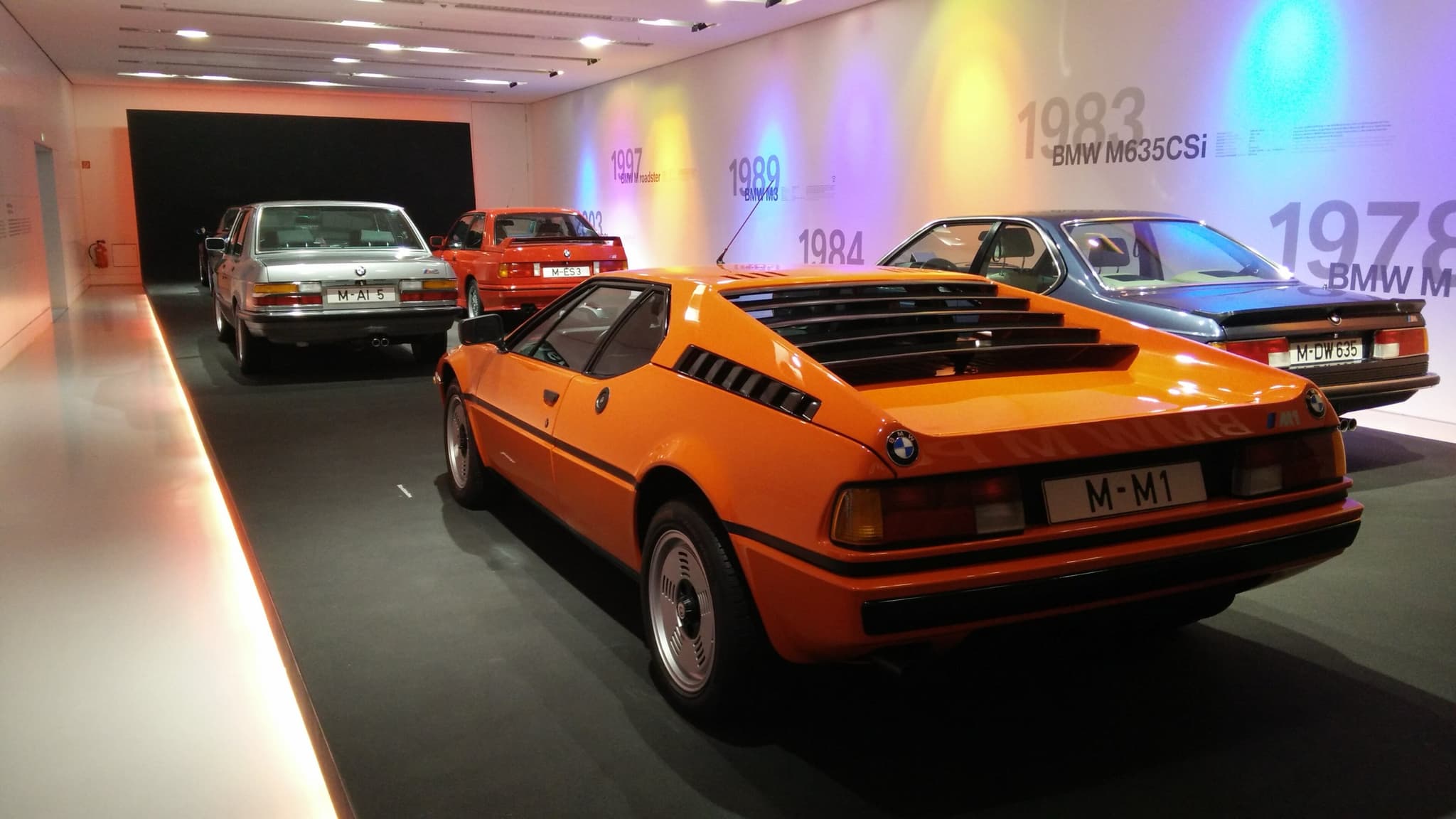
The M1 had no production predecessor: BMW called it "the first car developed and built by BMW Motorsport GmbH", and it was BMW's first mid-engined production car. The Turbo of 1972 was mid-engined too, but it was a show car, never built for sale.
Afterwards the engine went on. In 1984, BMW wrote in 2008, BMW Motorsport "once again hit the headlines" when "the M 635 CSi coupe and the M5 brought back the M1's fast-revving power machine". The mid-engined line came back much later, and Motor Sport's buying guide of 2021 drew it: "Some three decades later, the design of the M1 sparked the concept for BMW's other midengined sports car, the petrol-electric i8." BMW looked back at the M1 itself in a design study, the M1 Hommage of 2008, and borrowed the M1's rear window for its Vision M NEXT of 2019, a study BMW said drew mainly on the Turbo and the i8; the M1 Hommage describes both.source 2source 21source 1source 5source 22source 23
Rivals
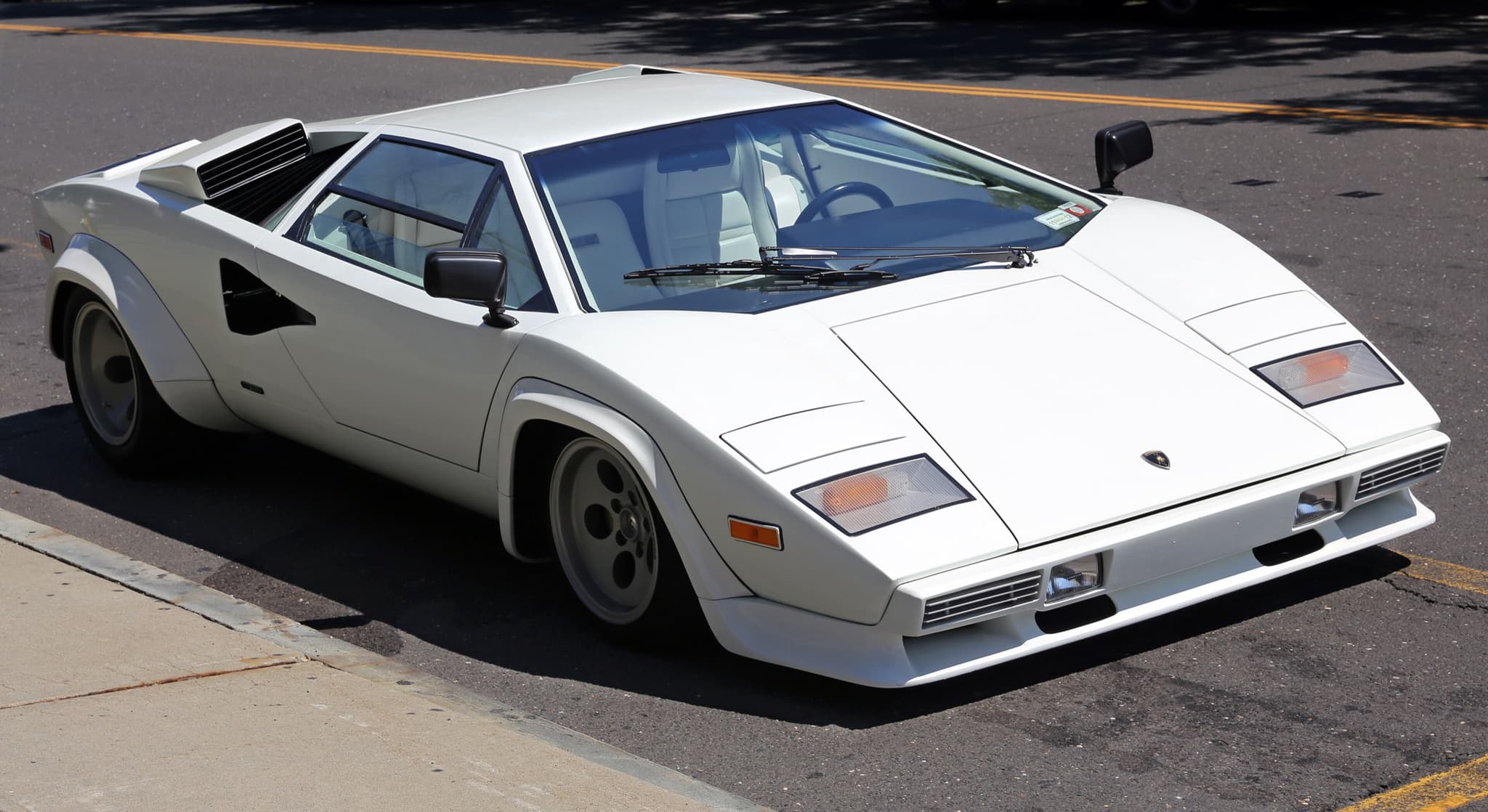
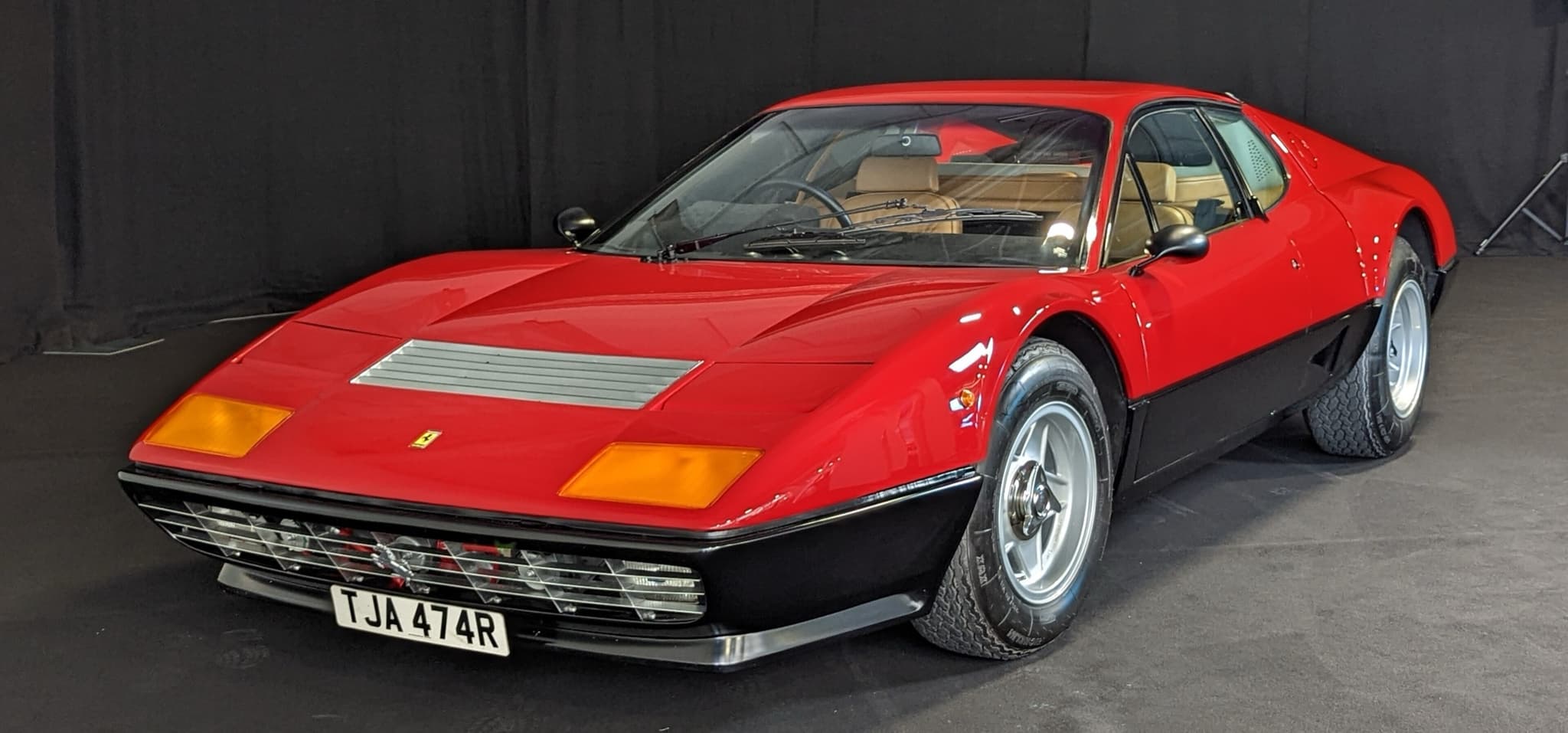
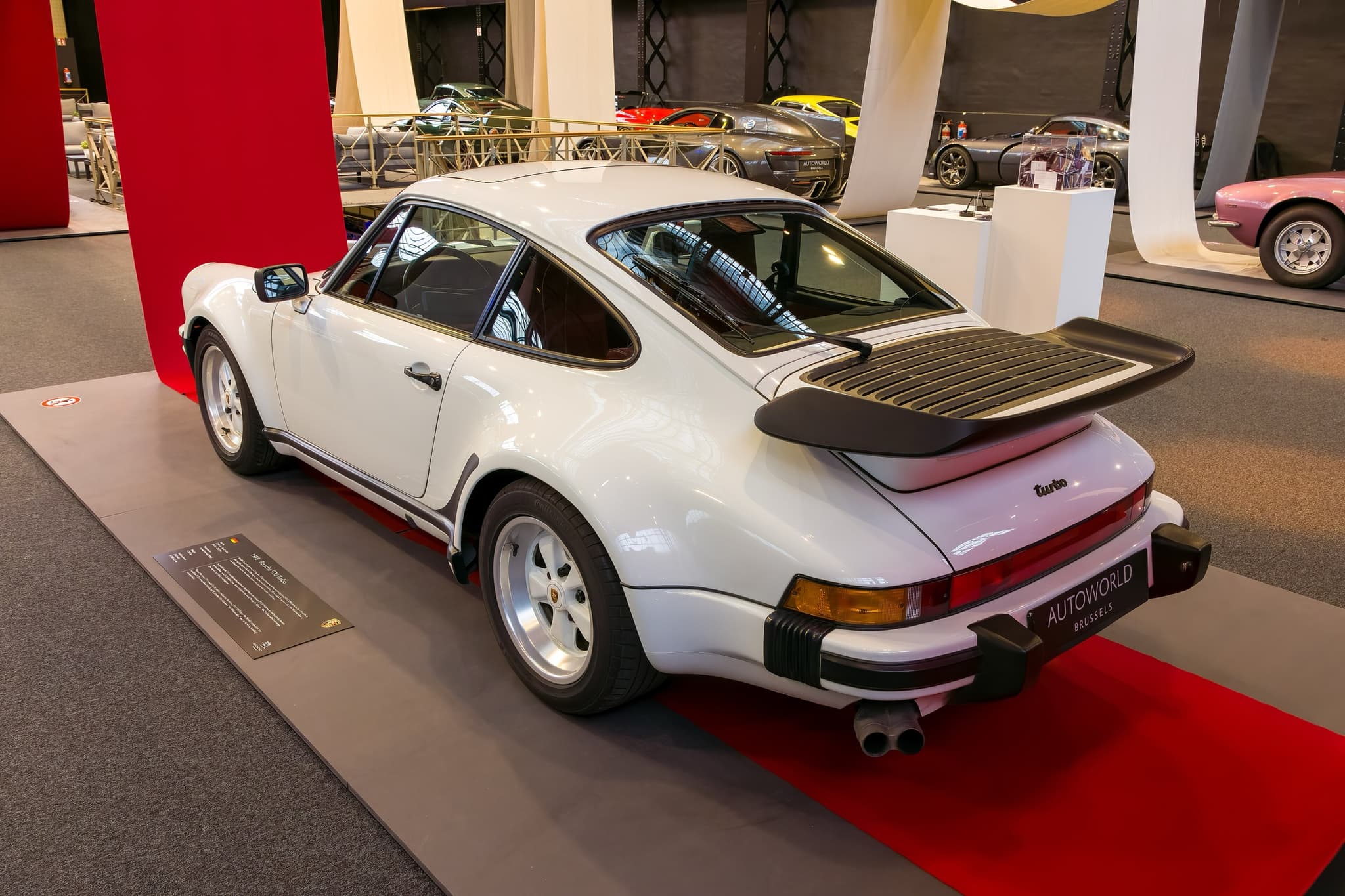
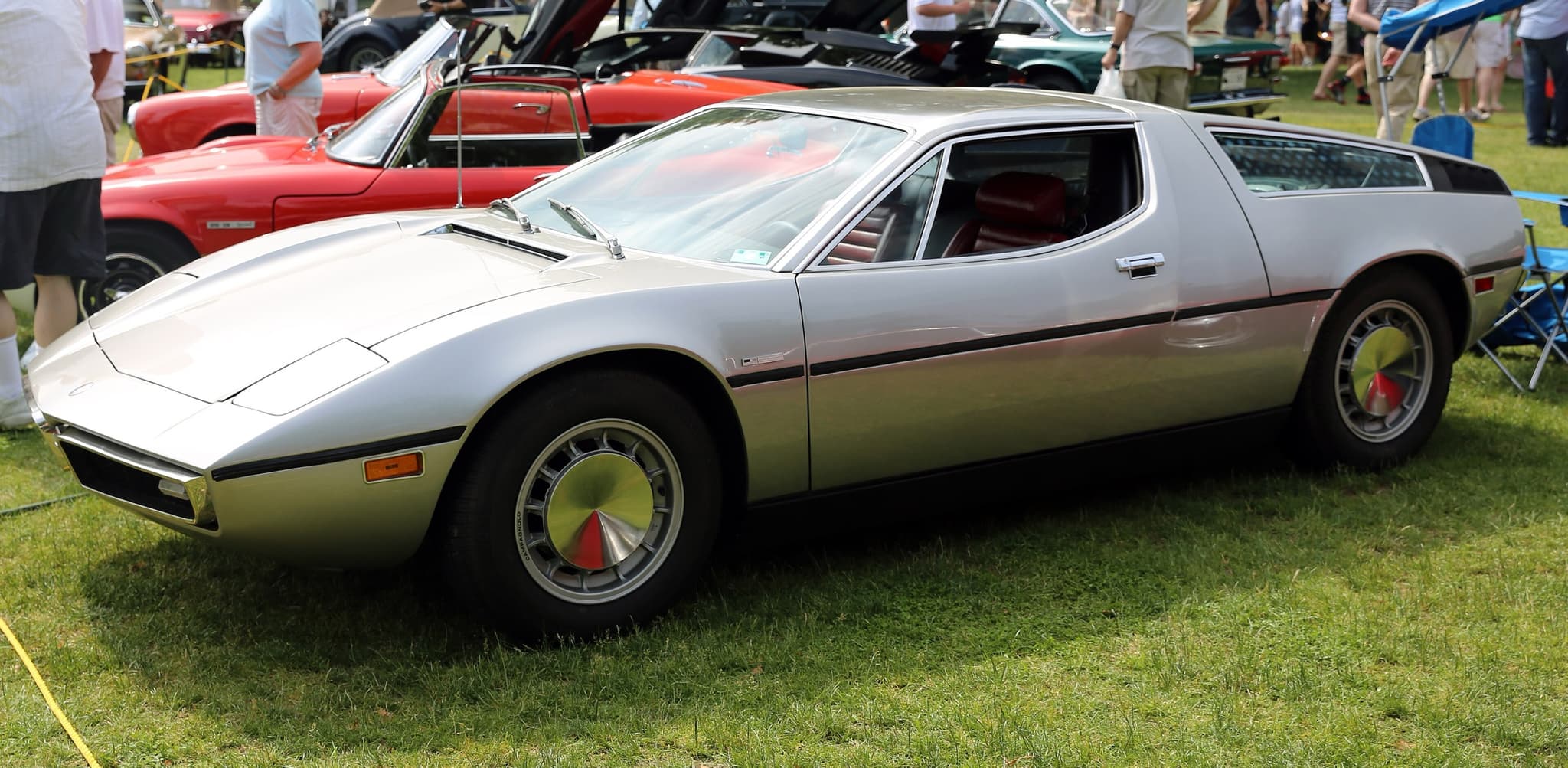
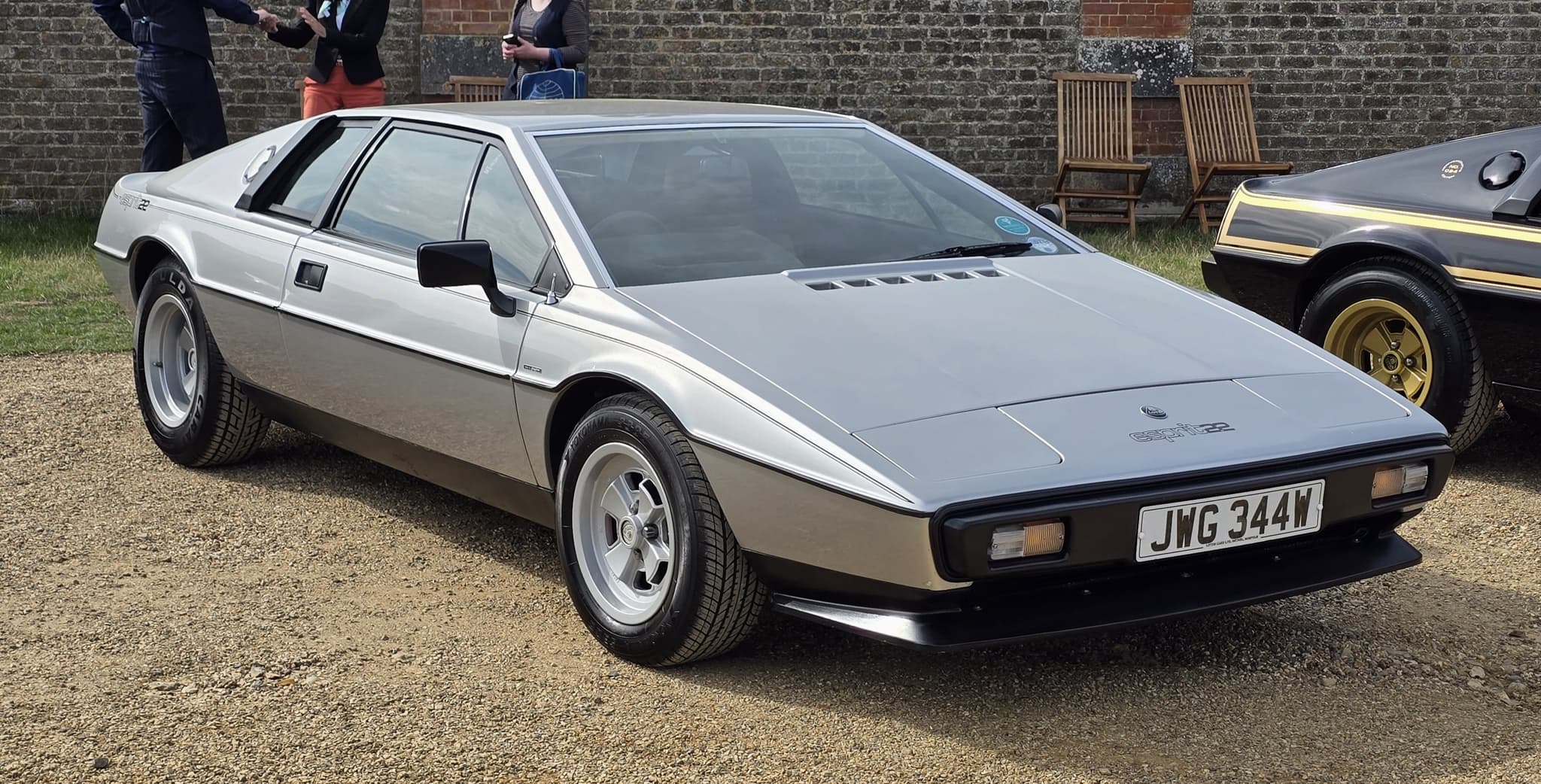
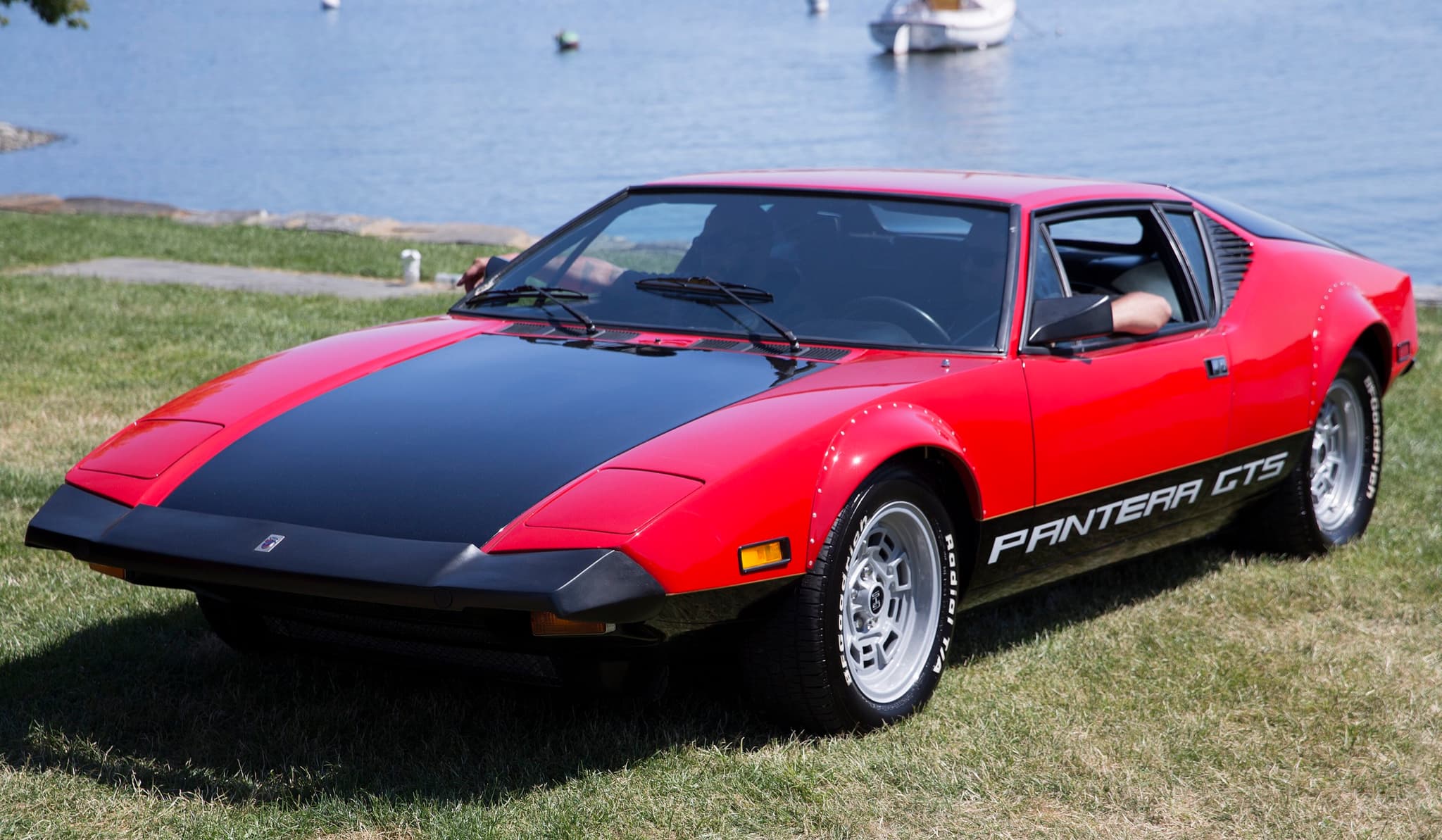
The auto katalog 1980 printed West German list prices as at 1 August 1979, including VAT, and the makers' own data, for the M1 and for its rivals. The M1's own figures are in the specifications. In price it fell between Porsche's 930 Turbo and Ferrari's 512 BB; in power it had less than the twelve-cylinder Ferrari and Lamborghini, the Aston Martin, the Bora and the Porsche, and more than the Ferrari 308, the Pantera and the Esprit.
| Car | Price, DM | Engine | Power, PS | Top speed, km/h |
|---|---|---|---|---|
| Ferrari 512 BB | 108,932 | 4,942 cc flat 12 | 340 | 283 |
| Ferrari 308 GTB | 61,020 | 2,926 cc V8 | 227 | 255 |
| Lamborghini Countach S | 150,000 | 3,929 cc V12 | 375 | 315 |
| Porsche 930 Turbo | 82,950 | 3,299 cc flat six, turbocharged | 300 | 260 |
| Maserati Bora 4900 | not in the list | 4,930 cc V8 | 320 | 280 |
| Lotus Esprit | 55,845 | 1,973 cc four | 150 | 222 |
| De Tomaso Pantera GTS | 63,483.40 | 5,763 cc V8 | 270 | 280 |
| Aston Martin V8 Vantage | 128,630 | 5,340 cc V8 | 380 | not given |
The prices are recommended retail prices; the 512 BB, the Esprit and the Pantera carried a delivery charge on top. Power is PS DIN and top speed the makers' claim, as the catalogue printed them. The Bora's data were still printed, but it was no longer in the price list.
The testers chose their own comparisons. Walton, who called himself no regular supercar tester, had "several Porsche 3.0-litre turbos and a 4.5-litre Ferrari Boxer" as his benchmarks, and he wished the M1 the Porsche Turbo's luck, a car that "originally grew from an homologation requirement into an outstanding production vehicle for anyone with enough money". Bell, 16 years after the car's end, still ranked it above the Italians:
Six years ago, I wrote elsewhere that the M1 was the best supercar of its decade; that after a battle with contemporaries that included a Boxer and Countach both more exciting, charismatic cars than the M1 but neither so usable or civilised.
Other markets
There was one M1 for every market. Walton stressed that it was left-hand drive only, and no source read records a version built for any one country. British magazines drove the German cars: Walton tested his around Munich. Britain shows how that worked. Walton wrote in April 1981:
Production ceased last year, negating BMW Great Britain's then active interest in importing limited number for orders already placed in the UK.
The Register's dates put the last cars in 1981, so Walton's "last year" came early. For British readers who still wanted one, he described the personal-import papers from the Department of Transport. A.H. wrote in 1984 that "a mere handful" had come to Britain, and Heseltine in 2008 that the M1 "was never officially imported here". Yet the Register records 20 road cars first delivered in the United Kingdom, 13 of them to BMW (GB) Ltd, and Bell drove an M1 in 1997 that BMW (GB) had owned since new and sometimes showed in the foyer of its headquarters at Bracknell.
The Register's first-delivery column shows where the road cars went. West Germany took 187, nearly half; Italy 44, Switzerland 31, the United Kingdom 20, France 18 and the United Arab Emirates 11. The Gulf states and Jordan took 17 between them and Latin America seven, in 24 named countries in all. The United States, where BMW never officially sold the car, had three first deliveries, and Japan one. The racing went further than the sales. racingsportscars lists 85 M1 entries at Daytona, Riverside, Road Atlanta and Sebring, 30 in Japan, 26 at Mosport in Canada and 11 at Kyalami in South Africa. How many were made has the full table of first deliveries.source 7source 11source 5source 12source 4source 24source 25
In culture
Outside motor racing, the M1 belongs to BMW's Art Cars. The series was the idea of Hervé Poulain, a French racing driver and auctioneer, who with Neerpasch asked Alexander Calder to paint the 3.0 CSL he raced at Le Mans in 1975. Frank Stella painted a CSL in 1976 and Roy Lichtenstein a 320 in 1977, and BMW numbered Andy Warhol's M1 of 1979 its fourth. Warhol painted the M1 himself, with about 6 kg (13 lb) of paint and in under half an hour by BMW's account, and Poulain, Manfred Winkelhock and Marcel Mignot drove it, No. 76, to sixth place at Le Mans in June 1979.
It was its only race. BMW kept the car, and it went on showing it: at Hockenheim in July 2008, where Neerpasch drove it with Frank Stella beside him, at the India Art Fair in 2020 and at Art Dubai in 2025. In August 2025 it joined the US National Historic Vehicle Register. In December 2024 BMW showed at Art Basel Miami Beach a one-off M1 in Techno Violet, credited as the work of Kith's founder, Ronnie Fieg.source 24source 26source 2source 20source 15source 27source 28source 29source 30
Sources
Sources are given as plain text; their addresses are on the sources page.
- Primarymade at the time, by the maker or by people who were there
- Referenceserious later work: clubs, specialists, magazines, books
- Databaseresults and listings, entry by entry
- Uncheckedencyclopaedias and enthusiast sites: cited beside a good source, named in the sentence, or marked Unchecked
- Karl Mauer, "Der Erfolg heiligt die Mittel", auto motor und sport, Heft 9, 24 Apr 1976, pp. 44–45, Karl Mauer, "Der Erfolg heiligt die Mittel": the choice of the coupé, the company's staff; p. 44, BMW Motorsport GmbH since 1972, its staff and its money; p. 45, Schnitzer's turbo six; p. 54, the Turbo in the museum; pp. 44–45: the two alternatives and the reason for the coupé; Neerpasch from Ford; p. 45, the CSL coupés' six for the new coupé. Primary
- BMW AG (BMW Group PressClub USA), "Icons for Connoisseurs – Thirty Years of the BMW M1" (press release), 27 Mar 2008, the Paris show of 1978; production ended in 1981; the gull-wing Turbo by Paul Bracq, 1972; Giugiaro's "sharp profile"; "Project E 26" from 1976; the M81 ten-cylinder; the Group 4 and Group 5 rules; the public steps of 1977–78; Marchesi, T.I.R. and Ital Design; Baur instead of Lamborghini; BMW Motorsport's checks; the general homologation and the crash tests; the 64th Paris Motor Show, autumn 1978; "The star came in pure white"; the name; the press quoted on the crowds and orders; the price of 1978, "enough for four BMW 323is"; the Group 4 car's price; "400 units in 24 successive months"; Procar with Ecclestone and Mosley; the first race; "April 1st 1981"; "Production of the M1 ended in 1981"; "the first car developed and built by BMW Motorsport GmbH"; the M635CSi and M5 of 1984; "BMW's fourth Art Car". Primary
- ONS / FIA (FIA Historic Database), ONS/FIA homologation form (Testblatt) no. 670, BMW M 1, Group 4 (and its transfer to Group B), 1980, form p. 1, Group 4 from 1 December 1980; form p. 1, "Homologation gültig ab 1 DEC 1980"; the extensions; the stamp "FISA – Transfert en Gr.B"; validity to 1 January 1982. Primary
- BMW M1 Register, "VIN Table", the Baur dates of the last road cars, 1981; the Italdesign, Baur and BMW date columns; the TÜV crash-test car, crashed 17 July 1978; the first "Serie" car; row 4301009, "Paris Exhibition", engine "Attrappe", Italdesign 14 September and Baur 29 September 1978; Serie 2 at Baur, 12 January 1979; Italdesign dates by year and the 400th date (our count); the last Italdesign and Baur dates, 5–6 March and 2 June 1981; road cars by year of Baur completion (our count); the first-delivery column, counted by country (no names). Reference
- Richard Heseltine, "BMW M1", Motor Sport, Mar 2008, p. 134, p. 134, "the brace of 1972 Turbo concept cars"; p. 134, the scheme of 1976, the year's study and the proposal to the Vorstand; the V10; p. 134, "the first four prototype M1 chassis"; p. 134, the brochure line, as quoted; p. 134, "the reception bordered on euphoric"; p. 134, the cars "not only be built to qualify, but sold too"; p. 134, no Procar in 1981: Goodyear, FISA and FOCA; the casualties; p. 134, the 1972 Turbo pair, show cars; p. 134, "never officially imported here". Reference
- CAR, "Brain and brawn in BMW's best", Mar 1979, the resemblance to "their own old mid-engined Turbo showcar"; Neerpasch's coupé "well into the '80s"; Braungart as project engineer; the division of work; Dallara and the Countach S; the prototypes; the Number Three Line; the Italian loan; the board's ruling; Ital Engineering, "last summer"; the quotation; T.I.R. "near Modena"; Baur and the Bitter CD; engines and transaxles direct to Baur; the start of sales "almost a year late"; Baur's 40 cars; Stuck's words. Primary
- Jeremy Walton ("J.W."), "Road Impressions: BMW M1", Motor Sport, Apr 1981, p. 83, p. 83, the story opened with the gullwing two-seater of 1972; p. 83, "not officially ordered from Lamborghini until 1976"; "some bitter internal opposition"; p. 83, Lamborghini's role "passing into history in 1978"; p. 83, the 20-piece body, pre-delivery checks and tests, "Munich mongrel" and the tail lamps; p. 83, "the German asking price", the quotation; p. 83, "made and authenticated by FISA"; p. 83, "The factory allowed no more to be made"; "now former competition director"; p. 83, the tester's benchmarks; the Porsche Turbo; p. 83, left-hand drive only; the test in Munich; BMW Great Britain's plan; the personal import. Primary
- BMW Group (PressClub Global), "BMW Group mourns the loss of Paul Rosche" (press release), 16 Nov 2016, Rosche at BMW from 1957; his turbo engine of 1969; BMW Motorsport from 1975; head of the design of the M1's production and racing engines, 1975. Primary
- Richard Heseltine, "BMW 3.0 CSL", Motor Sport, Jan 2007, p. 64, p. 64, the CSL's six European titles, 1973–79. Reference
- Motor Sport, "The British Silhouette Round Goes To The Home Team … Just", Jun 1976, p. 56, p. 56, the turbocharged CSL on the front row, Silverstone 6 Hours, May 1976. Primary
- Alan Henry ("A.H."), "M1 Magic", Motor Sport, Dec 1984, p. 76, p. 76, A.H.: Neerpasch's "autocracy" and the board; p. 76, the racing cars' later lives; p. 76, A.H.: "spelling finis"; p. 76, A.H.: "a mere handful" in Britain. Primary
- Roger Bell, "Discovering BMW's lost leader", Motor Sport, Jul 1997, p. 88, p. 88, Lamborghini would have assembled all 400 road cars; p. 88, "Marchesi of Modena"; p. 88, the Boxer and the Countach; p. 88, the cars of BMW (GB) Ltd at Bracknell. Reference
- Alan Henry, "Procar: When current F1 champs went tin-top racing" ("Procar – the ultimate one-make racer"), Motor Sport, Jul 1997, p. 94, p. 94, "the central-engined, Lamborghini-built coupe"; p. 94, "a fixed number of the basic model had to be sold". Reference
- auto motor und sport, auto katalog 1980, Ausgabe Nr. 23 (Stuttgart, 1979), p. 173, recommended retail prices in West Germany including VAT, 1 August 1979: the M1 and the 323i; pp. 173–178, prices at 1 August 1979 including VAT; pp. 196–217, the makers' data. Primary
- Adam Cooper, "One for the pros", Motor Sport, Oct 2008, p. 54, p. 54, Neerpasch's words; p. 54, Neerpasch and Stella in the car at Hockenheim, 2008. Reference
- Motor Sport, "Retrospective: BMW Procar" ("Race of champions"), Jan 2017, p. 98, p. 98, "hadn't built them quickly enough"; p. 98, BMW's Formula 1 engine and Neerpasch's departure. Reference
- Clive Richardson ("C.R."), "BMW's Racing Plans", Motor Sport, Jan 1979, p. 54, p. 54, the press conference in the BMW Museum, the "original announcement", the German championship and the March car. Primary
- ONS / FISA (FIA Historic Database), FISA/ONS homologation form no. B-240, BMW M 1, Group B, 1983, form p. 1, "Homologation gültig ab 1 MARS 1983". Primary
- Denis Jenkinson, "Reflections in the Woods", Motor Sport, Jun 1979, the rules changed to require cars to be sold. Primary
- racingsportscars.com, Race, results and car-data pages with BMW M1 entries, 1979–86 (group), Le Mans 1981–86; Le Mans 1979, No. 76. Database
- Motor Sport, "BMW M1: road car buying guide", Oct 2021, p. 145, p. 145, the i8. Unchecked
- BMW Group (BMW of North America, PressClub USA), "Heritage as inspiration: BMW M1 Homage" (press release), 28 Apr 2008, the M1 Hommage, Villa d'Este, April 2008. Primary
- BMW Group (PressClub Middle East), "BMW Vision M NEXT. Boost your moment – the future of driving dynamics at BMW." (press release), 25 Jun 2019, the Vision M NEXT, 25 June 2019. Primary
- Hagerty Drivers Foundation (National Historic Vehicle Register), "1979 BMW M1 Art Car No. 4, Andy Warhol", "never officially sold in the U.S."; Art Car No. 4; Poulain's programme; "under 30 minutes". Reference
- racingsportscars.com, "BMW M1 – All Results", entries by venue: Daytona, Riverside, Road Atlanta, Sebring, Japan, Mosport, Kyalami (our count). Database
- BMW Group India (PressClub), "Rolling Sculptures: BMW brings Andy Warhol's Art Car to India" (press release), Jan 2020, the first four Art Cars; the India Art Fair, 2020. Primary
- BMW Group Middle East (PressClub), "For the first time in the region: BMW Group Middle East brings Andy Warhol's iconic BMW M1 Art Car to Art Dubai 2025" (press release), Apr 2025, Art Dubai, April 2025. Primary
- Hagerty Drivers Foundation, "Andy Warhol Automotive Artwork Added to National Historic Vehicle Register", 14 Aug 2025, the National Historic Vehicle Register, August 2025. Reference
- Automobile Club de l'Ouest (24h-lemans.com), "BMW Art Cars at the 24 Hours of Le Mans – BMW M1 by Andy Warhol: absolute icon", 16 Jan 2026, the paint, nearly 6 kg. Reference
- BMW Group (PressClub Canada), "BMW and Kith continue their cooperation and present the BMW XM in an exclusive edition" (press release), 6 Dec 2024, the one-off M1 for Ronnie Fieg, Techno Violet; Art Basel Miami Beach, 6–8 December 2024. Primary